Solar Carports
Practical Insights, Projects & Trends

Welcome to Future Energy Trends — a blog dedicated to the future of parking and renewable energy.
Here you’ll find articles, case studies, and visual examples of how solar carports transform unused parking areas into efficient energy sources.
Explore examples of commercial solar carports, compare ROI, and discover design ideas for your next project.


Welcome to My Blog!

Hey there,

I’m Martin and I’m glad you’re here — because it means you care about the future of energy as much as I do.

I started Future Energy Trends with one clear mission:
to make renewable energy understandable, practical, and exciting.

For over a decade, I’ve been exploring how solar power, smart infrastructure, and sustainable design can transform the way we live and work.
Today, my main focus is on one of the most overlooked, yet powerful innovations — solar carports.

They’re more than metal structures with panels on top.
They’re a symbol of progress — where parking meets clean energy, where everyday spaces become generators of change.

On this blog, you’ll find insights, real projects, and honest lessons from the field.
No corporate jargon. No greenwashing. Just real stories, data, and ideas that move the energy transition forward.

If you believe that sustainability should be both inspiring and achievable —
then you’re in the right place.


Every space has the potential to work smarter. Solar carports are proof that true innovation starts where most people see just a parking spot.

Martin

Why Solar Carports Are the Smart Future of Parking

Solar carports combine two simple ideas — parking and power.
They generate clean electricity from sunlight, protect vehicles, and help companies reduce energy costs.
For businesses and developers, it’s one of the most practical steps toward sustainability.

solar carports

Energy generation through photovoltaic panels

Protection from sun, rain, and snow

Lower operational costs and faster ROI

Contribution to a cleaner environment

Types of Solar Carports – Which One Fits Your Project?

Solar carports come in many configurations — from small residential solutions to large industrial systems.
Below you’ll find three main categories that cover most real-life applications.
Each type has its own design logic, structure, and economic benefits.

solar carports

STANDARD SOLAR CARPORTS

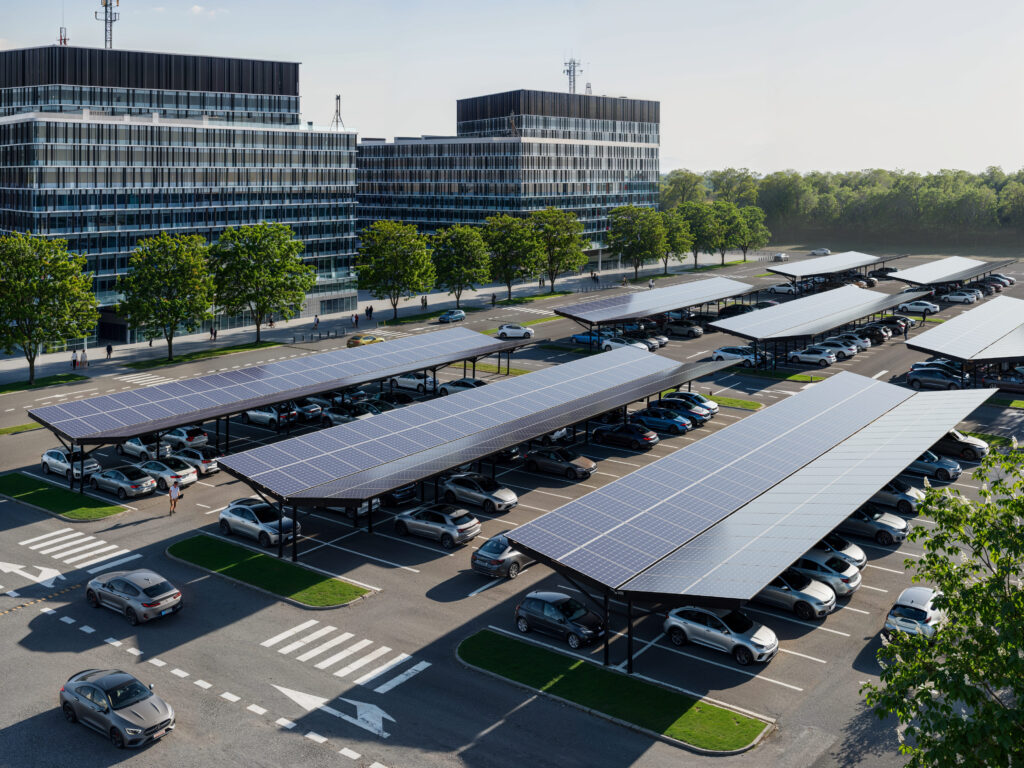
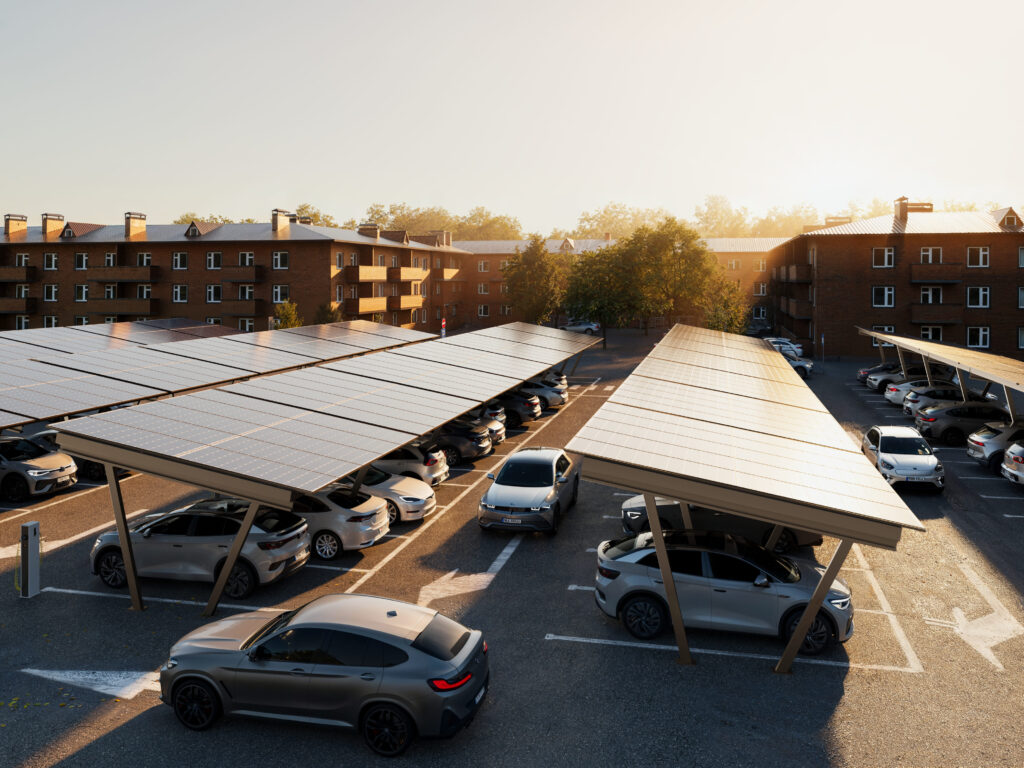
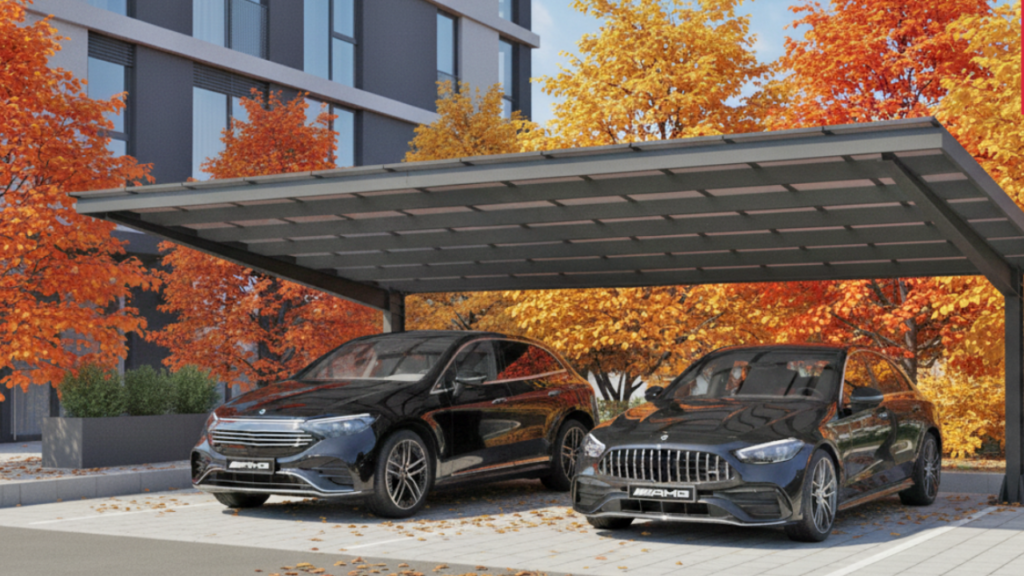
Standard solar carports are the most common type — single or double-row parking structures covered with photovoltaic panels.
They’re ideal for office buildings, small businesses, and municipal parking areas.
These systems provide:
Shade and weather protection for vehicles
Stable energy generation (typically 5–30 kWp)
Aesthetic, lightweight designs that fit any environment
Perfect when you need functionality, simplicity, and quick ROI.

Solar carports

INDUSTRIAL SOLAR CARPORTS

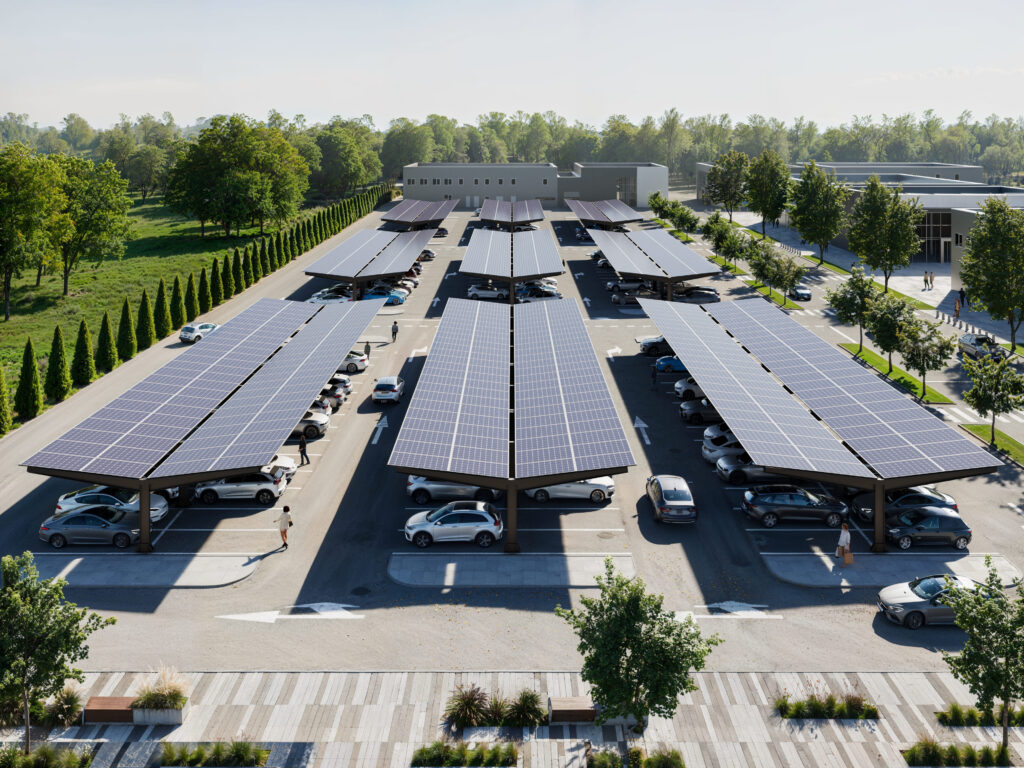
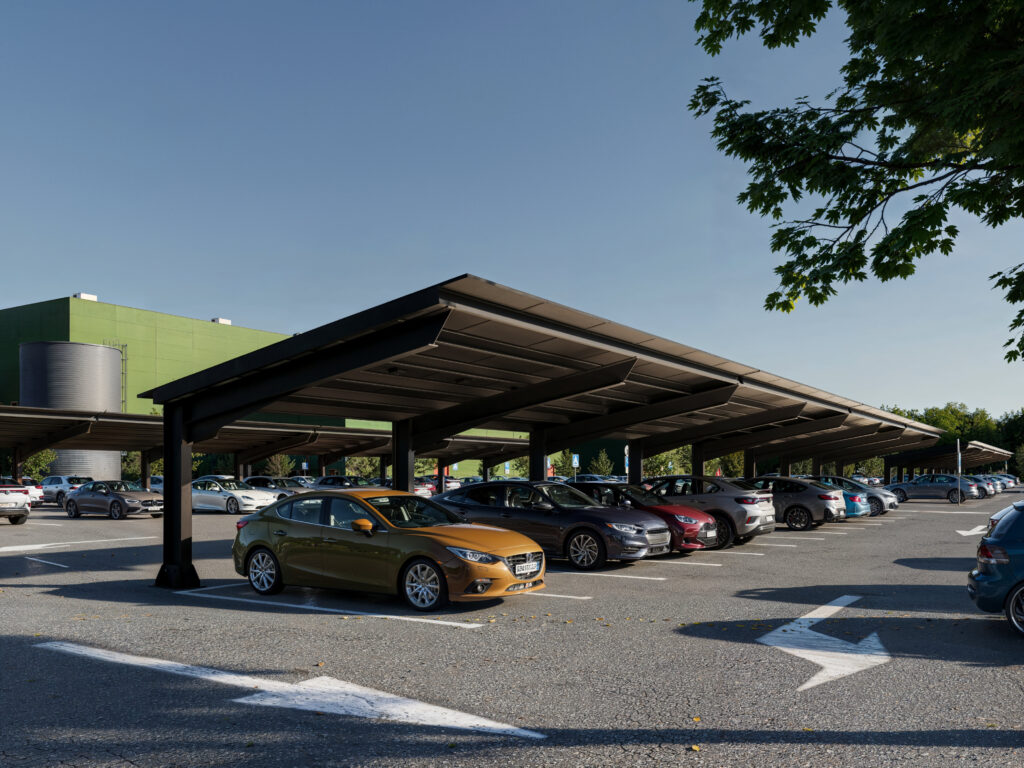
Industrial solar carports are designed for scale — durable steel or aluminum structures covering dozens or even hundreds of parking spots.
They can integrate high-efficiency PV modules, drainage systems, lighting, and even EV charging hubs.
These systems are perfect for:
Logistic centers and warehouses
Shopping malls and business parks
Factories and corporate fleets
Typical power range: 50–500 kWp or more, depending on site size.
They can also connect directly to the facility’s internal grid to offset electricity consumption.
Robust, scalable, and made for high daily energy yield.

solar carports

SPECIAL SOLAR CARPORTS

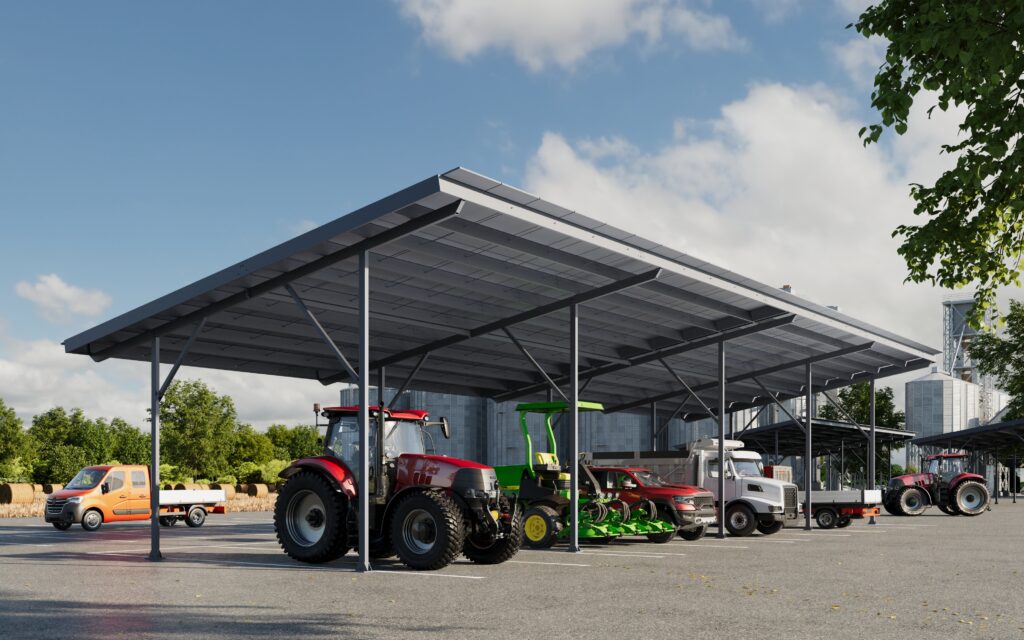
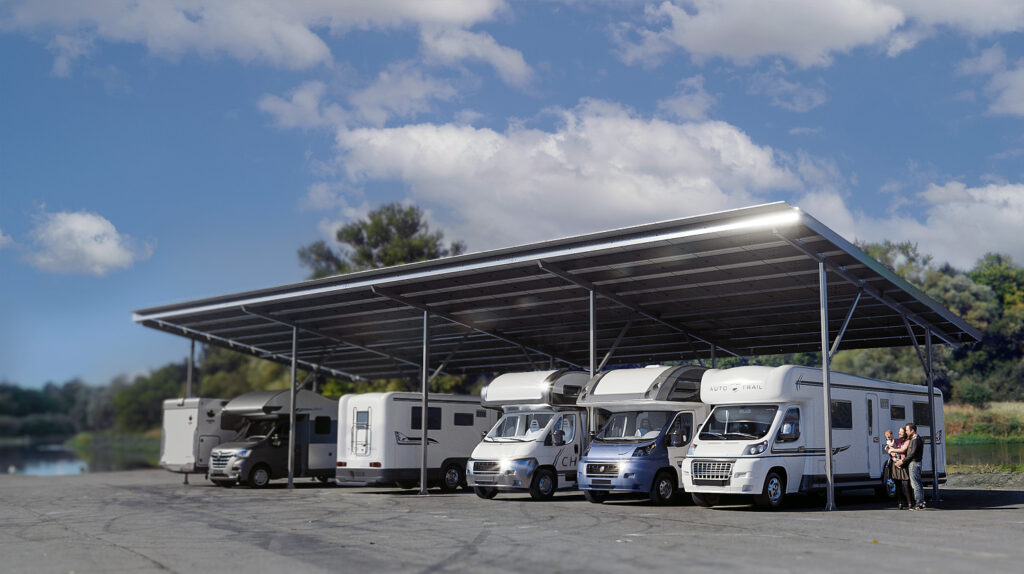
Special solar carports are engineered for non-standard environments — such as logistic hubs, transport companies, or truck parking areas.
They feature increased height, reinforced structures, and specific load-bearing profiles to handle larger vehicles.
Possible applications:
Logistic and transport fleets
Bus or truck depots
Airport or harbor parking
EV charging zones for delivery vehicles
Power capacity: 100–1000+ kWp
These systems often serve as hybrid energy hubs, combining PV with storage or smart charging solutions.
When standard isn’t enough — custom-engineered solar carports for demanding environments.

Solar Carport ROI
What You Should Know

A well-designed solar carport can pay for itself in 5–7 years.
The exact return depends on energy prices, sunlight conditions, and the construction type.
I’m preparing a free calculator to help estimate it — coming soon.

Benefits of Solar Carports

Solar carports go far beyond producing green electricity.
They add value to existing infrastructure, reduce energy costs, and show visible commitment to sustainability.
Here are three main benefits that make them one of the smartest energy investments for businesses and developers.

Sustainability & ESG Impact

Installing solar carports demonstrates environmental responsibility and innovation.
They help companies meet ESG targets, reduce CO₂ emissions, and turn parking lots into visible symbols of progress.
It’s a practical and powerful way to combine green energy with corporate image.

Solar carports

Energy & Cost Savings

Solar carports generate clean energy directly on-site, helping companies reduce dependence on the grid and lower monthly electricity bills.
With typical ROI between 5 and 7 years, these systems deliver stable, predictable returns — without taking up extra land.

EV-Ready Infrastructure

Modern solar carports can easily integrate EV charging stations, battery storage, and smart energy management.
This makes them ideal for logistics hubs, retail centers, and office complexes preparing for electric mobility.
Charging cars with your own solar power reduces energy costs and supports a clean fleet transition.

Two Ways to Build a Strong Foundation for Solar Carports

The foundation of every solar carport determines its durability, speed of installation, and environmental impact.
Today, investors can choose between two proven solutions — traditional concrete bases or modern GroundForce screw piles, designed for maximum efficiency and flexibility.

Traditional Concrete Foundations

The classic solution for stable ground installation.
Concrete foundations ensure excellent structural strength, especially on uneven terrain or in large-scale installations.
Reliable and time-tested
Ideal for heavy carport constructions
Proven stability and load capacity
Installation time: 1–3 weeks (including earthworks, formwork, concreting, curing)
Limitations: Seasonal — not recommended during winter or heavy frost.
Perfect for large industrial carports or complex terrain projects.

solar carports screw piles

GroundForce Screw Piles

The modern foundation system that redefines installation speed and sustainability.
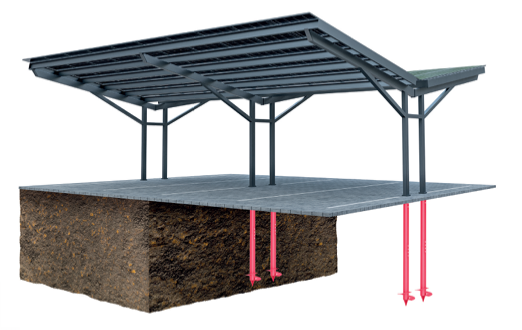
GroundForce screw piles are steel anchors that replace traditional concrete — offering full stability without excavation or curing delays.
No concrete, no digging, no waiting
Installation within 1–3 days
Year-round usability — even in winter
Environmentally friendly (minimal soil disruption, no waste)
Compatible with all carport models
A sustainable, fast, and cost-efficient solution — made by Amiston sp. z o.o., a Polish manufacturer of photovoltaic structures.

Let’s Talk About Solar Carports and Smart Energy Projects

If you’re developing a solar project, planning a new parking investment,
or simply want to explore how carports can add value to your site — I’d love to connect.
I read every message personally.
You can reach me directly at:

Whether it’s a technical question, a business idea, or a collaboration proposal —
don’t hesitate to reach out. Let’s make something bright together.

What I’m Writing About

Insights, ideas, and trends from the world of solar energy, carports, and energy efficiency — written from real experience and a vision for a smarter, more sustainable future.

Frequently Asked Questions

Scroll to Top